Roll Cork Sheet
Sound and Thermal Insulation: RLU - IML
DUCORK RLU - IML is applied using the adhering method according to the condition of the surface to be applied (walls and ceilings). If the surface to be adhered is not smooth, it can be applied with any type of tile adhesive and external plaster. If the surface is smooth, it is applied with solvent-based adhesives. DUCORK RLU - IML panels are placed in such a way that no gaps remain. After the adhesive process of the material is completed, plaster, together with plaster mesh, or regular plaster can be easily applied on top. For sound insulation, materials that create a sound bridge such as nails, plugs, and screws must not be used.
show more...
Impact Sound Insulation: RLU - IML
In the general application of RLU - IML, the material is placed without leaving gaps between pieces and adhered at points before the leveling concrete is poured onto the flooring. Additionally, a board with a height of 10 cm is placed at the base of the walls. After placing the rolls, pouring the leveling concrete results in both the flooring and side walls being insulated from noise and impact sounds.
show more...
Floor Applications: RLU - IML
Cork underlayment can be easily used in almost all flooring types. It performs exceptionally well in sound and heat insulation compared to other products, depending on the type of flooring. Cork underlayment protects the flooring material against moisture, pests, mold, impacts, and bacteria, regardless of the type of flooring preferred. Additionally, it prevents static electricity buildup. The recommended thickness of cork underlayment is between 2-6 mm, depending on the type of flooring and the area of use. Its application is extremely simple.
show more...
Application Areas
Cork Underlay: Recommended Floor Types for Use
Laminated flooring
Engineered wood flooring
Solid wood flooring
Linoleum
Vinyl
PVC
Carpet
Ceramic
Marble
Natural stone
Under screed
show more...
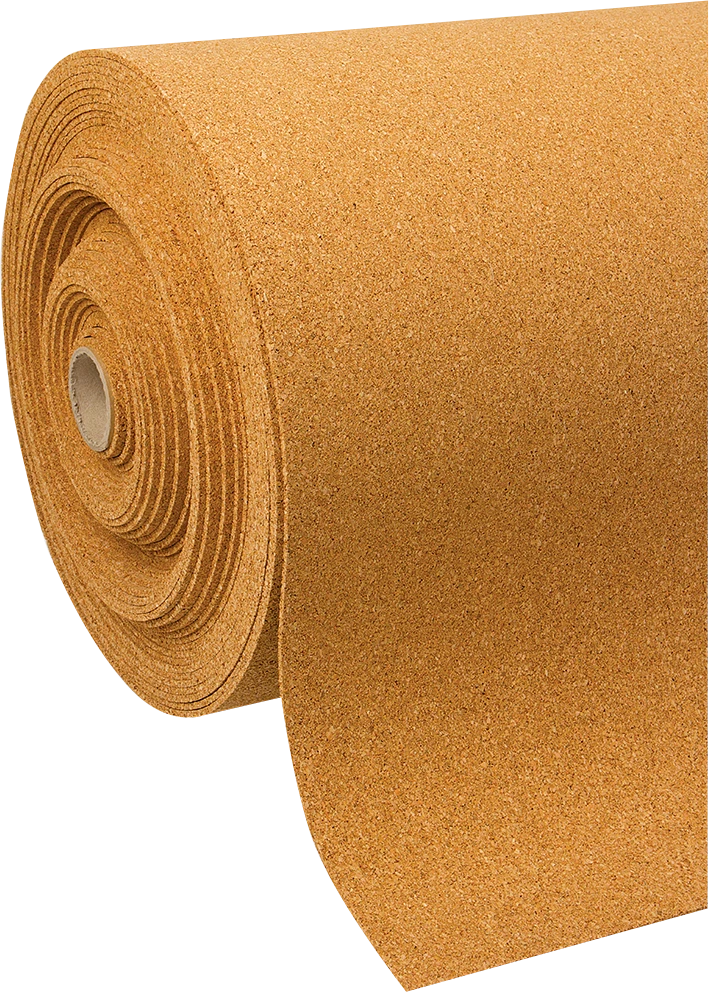
Roll Cork Sheet
Sound and Thermal Insulation: RLU - IML
DUCORK RLU - IML is applied using the adhering method according to the condition of the surface to be applied (walls and ceilings). If the surface to be adhered is not smooth, it can be applied with any type of tile adhesive and external plaster. If the surface is smooth, it is applied with solvent-based adhesives. DUCORK RLU - IML panels are placed in such a way that no gaps remain. After the adhesive process of the material is completed, plaster, together with plaster mesh, or regular plaster can be easily applied on top. For sound insulation, materials that create a sound bridge such as nails, plugs, and screws must not be used.
show more...
Impact Sound Insulation: RLU - IML
In the general application of RLU - IML, the material is placed without leaving gaps between pieces and adhered at points before the leveling concrete is poured onto the flooring. Additionally, a board with a height of 10 cm is placed at the base of the walls. After placing the rolls, pouring the leveling concrete results in both the flooring and side walls being insulated from noise and impact sounds.
show more...
Floor Applications: RLU - IML
Cork underlayment can be easily used in almost all flooring types. It performs exceptionally well in sound and heat insulation compared to other products, depending on the type of flooring. Cork underlayment protects the flooring material against moisture, pests, mold, impacts, and bacteria, regardless of the type of flooring preferred. Additionally, it prevents static electricity buildup. The recommended thickness of cork underlayment is between 2-6 mm, depending on the type of flooring and the area of use. Its application is extremely simple.
show more...
Application Areas
Cork Underlay: Recommended Floor Types for Use
Laminated flooring
Engineered wood flooring
Solid wood flooring
Linoleum
Vinyl
PVC
Carpet
Ceramic
Marble
Natural stone
Under screed
show more...
Roll Cork Sheet
Sound and Thermal Insulation: RLU - IML
DUCORK RLU - IML is applied using the adhering method according to the condition of the surface to be applied (walls and ceilings). If the surface to be adhered is not smooth, it can be applied with any type of tile adhesive and external plaster. If the surface is smooth, it is applied with solvent-based adhesives. DUCORK RLU - IML panels are placed in such a way that no gaps remain. After the adhesive process of the material is completed, plaster, together with plaster mesh, or regular plaster can be easily applied on top. For sound insulation, materials that create a sound bridge such as nails, plugs, and screws must not be used.
show more...
Impact Sound Insulation: RLU - IML
In the general application of RLU - IML, the material is placed without leaving gaps between pieces and adhered at points before the leveling concrete is poured onto the flooring. Additionally, a board with a height of 10 cm is placed at the base of the walls. After placing the rolls, pouring the leveling concrete results in both the flooring and side walls being insulated from noise and impact sounds.
show more...
Floor Applications: RLU - IML
Cork underlayment can be easily used in almost all flooring types. It performs exceptionally well in sound and heat insulation compared to other products, depending on the type of flooring. Cork underlayment protects the flooring material against moisture, pests, mold, impacts, and bacteria, regardless of the type of flooring preferred. Additionally, it prevents static electricity buildup. The recommended thickness of cork underlayment is between 2-6 mm, depending on the type of flooring and the area of use. Its application is extremely simple.
show more...
Application Areas
Cork Underlay: Recommended Floor Types for Use
Laminated flooring
Engineered wood flooring
Solid wood flooring
Linoleum
Vinyl
PVC
Carpet
Ceramic
Marble
Natural stone
Under screed
show more...
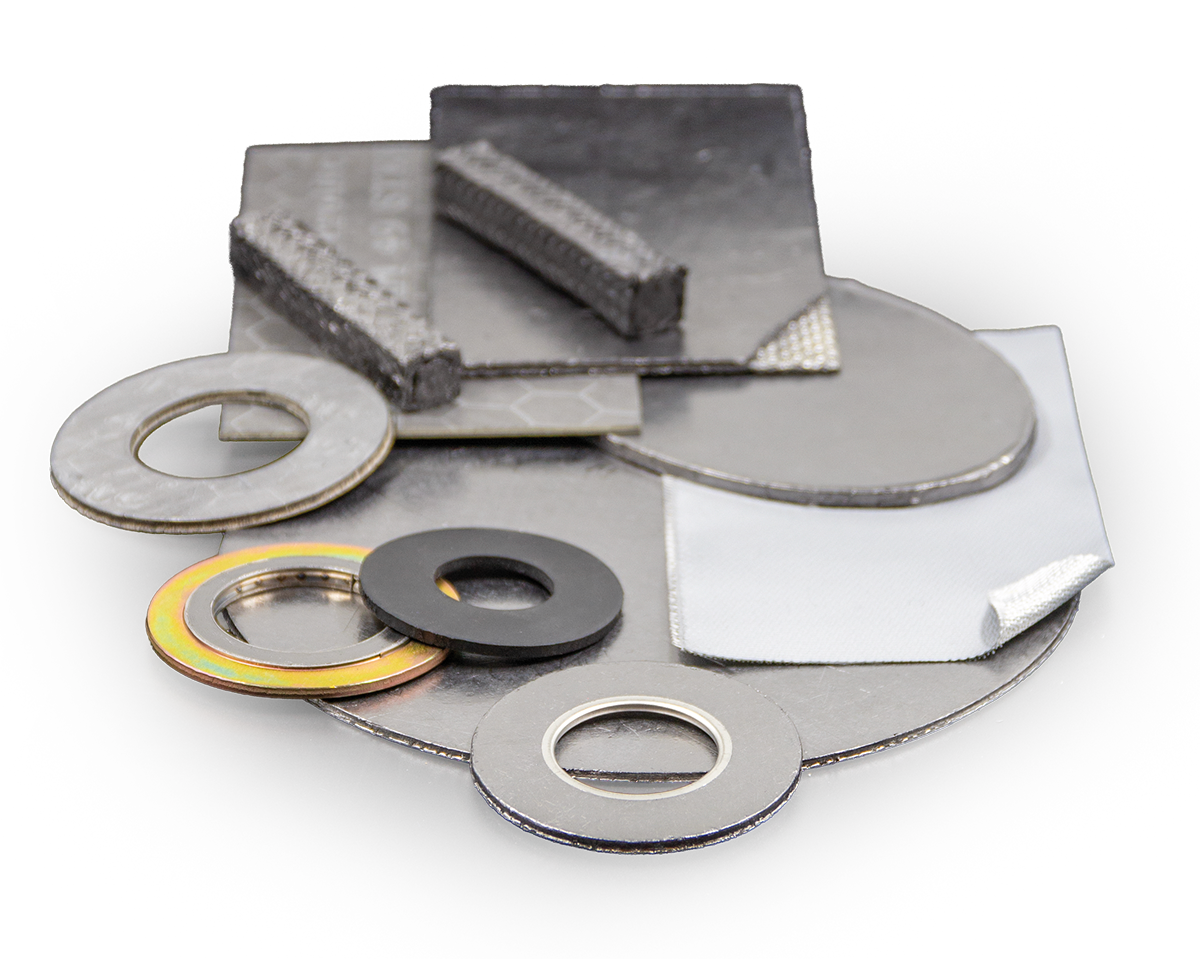
PACKINGS
FABRICS
SHEETS
PACKINGS
FABRICS
SHEETS
PACKINGS
FABRICS
SHEETS