Correct Size
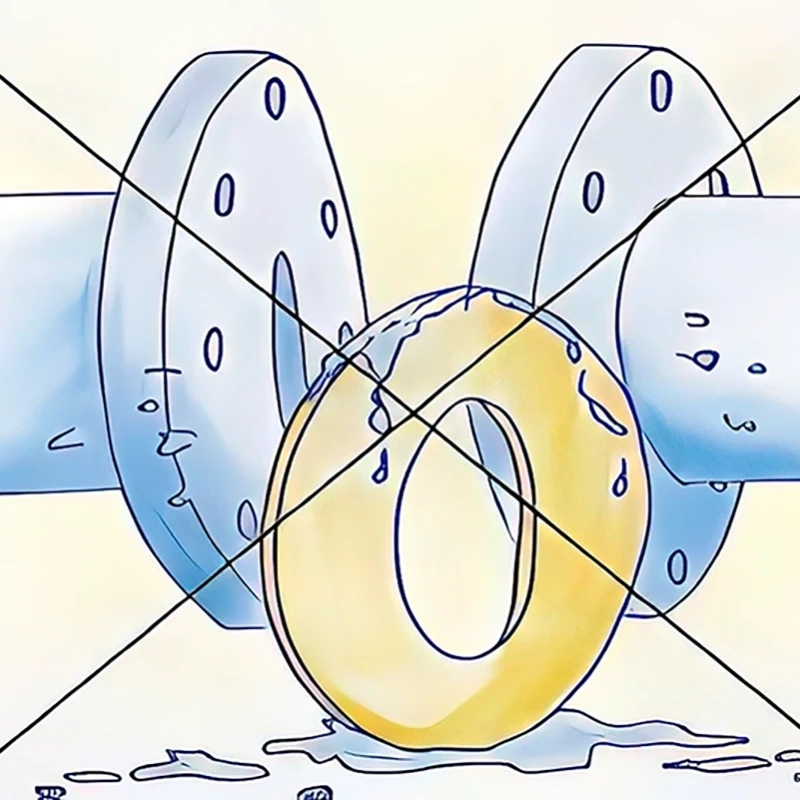
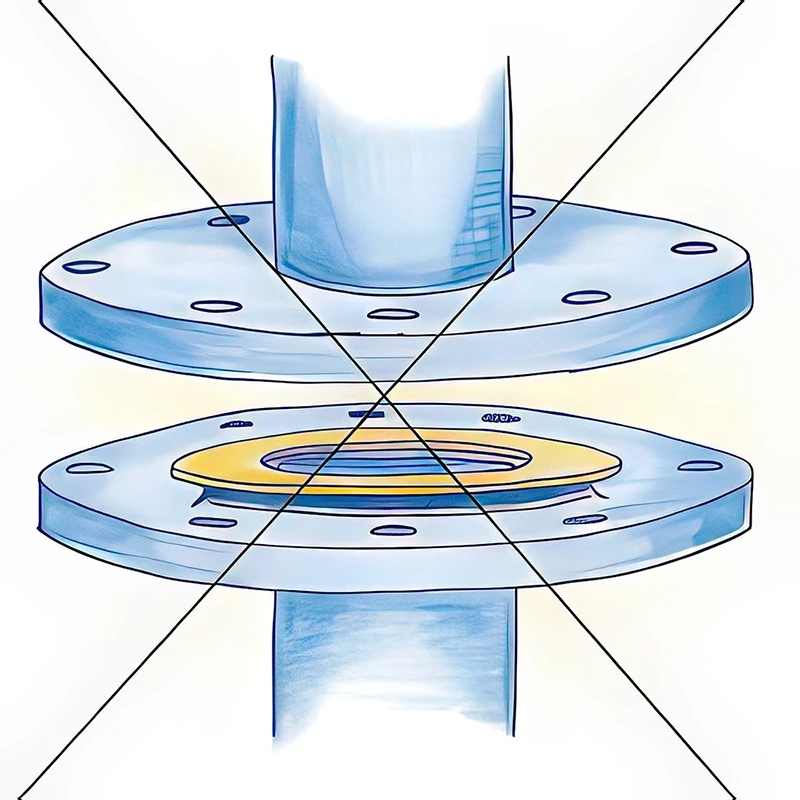
The gasket must be the correct size.
Bolt Holes
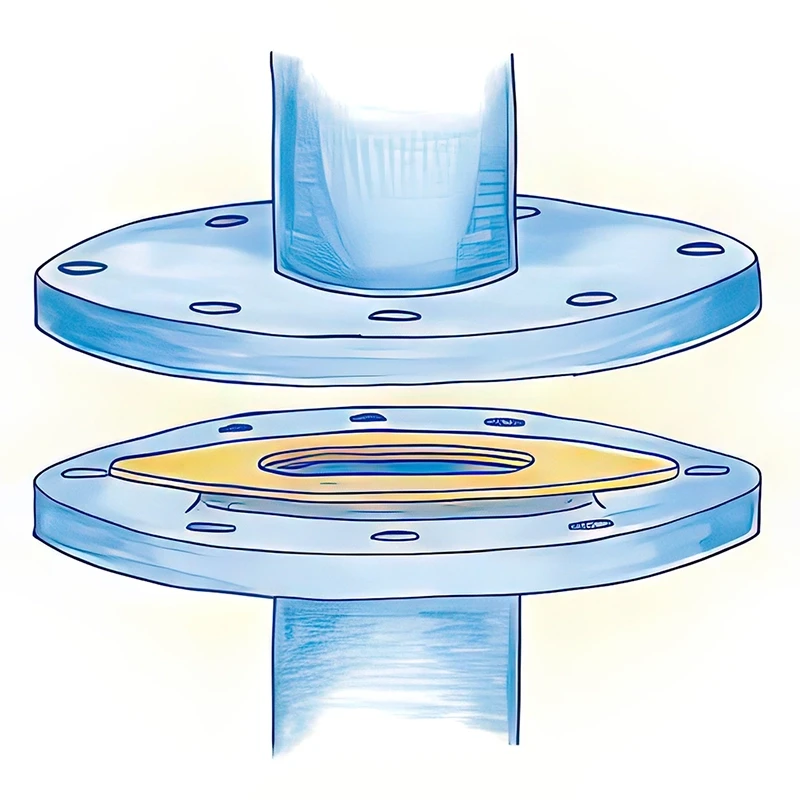
To facilitate alignment, cut the bolt holes slightly larger.

Gasket Inner Diameter
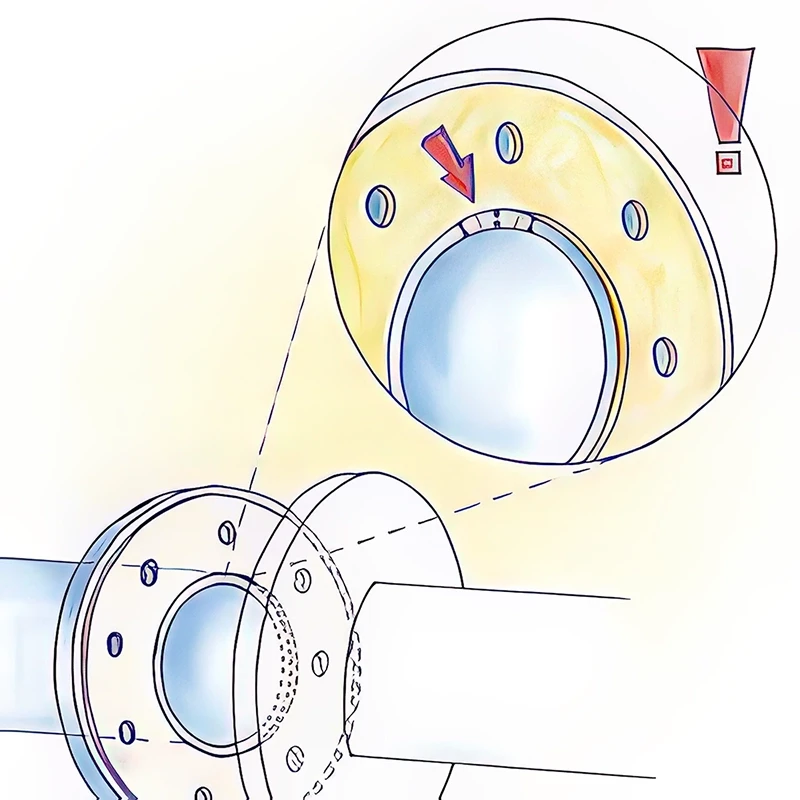
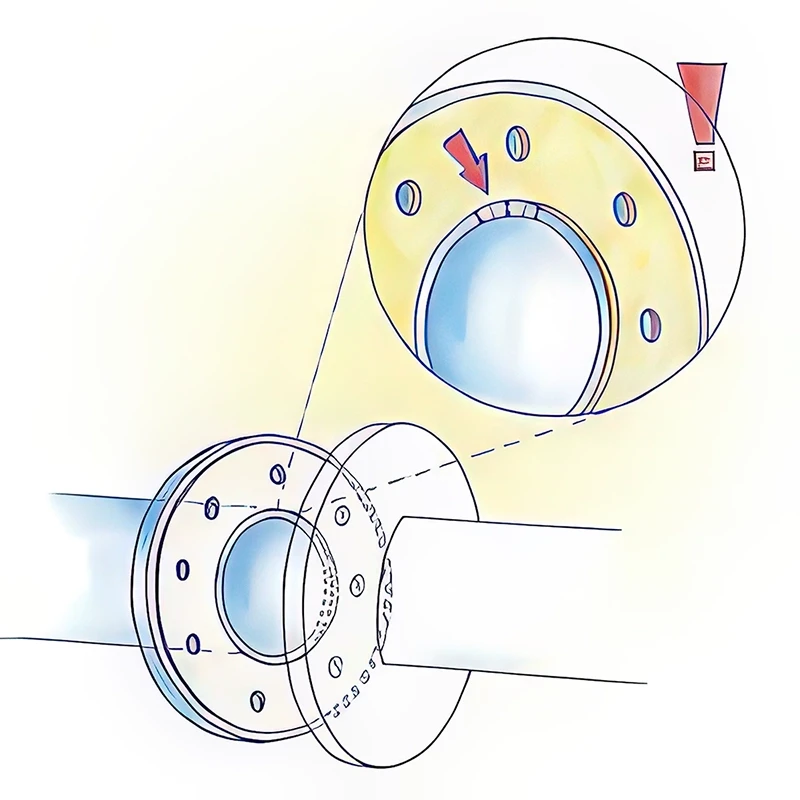
The inner diameter of the gasket must not be smaller than the inner diameter of the flange.
Ideal Protection Conditions
Gaskets should be stored horizontally to avoid stress and permanent deformation.
Ideal storage conditions:
Temperature: < 25°C
Humidity: 50 - 60%
Dark room
Preferably store in clean environments within plastic bags.

Protect the Gasket
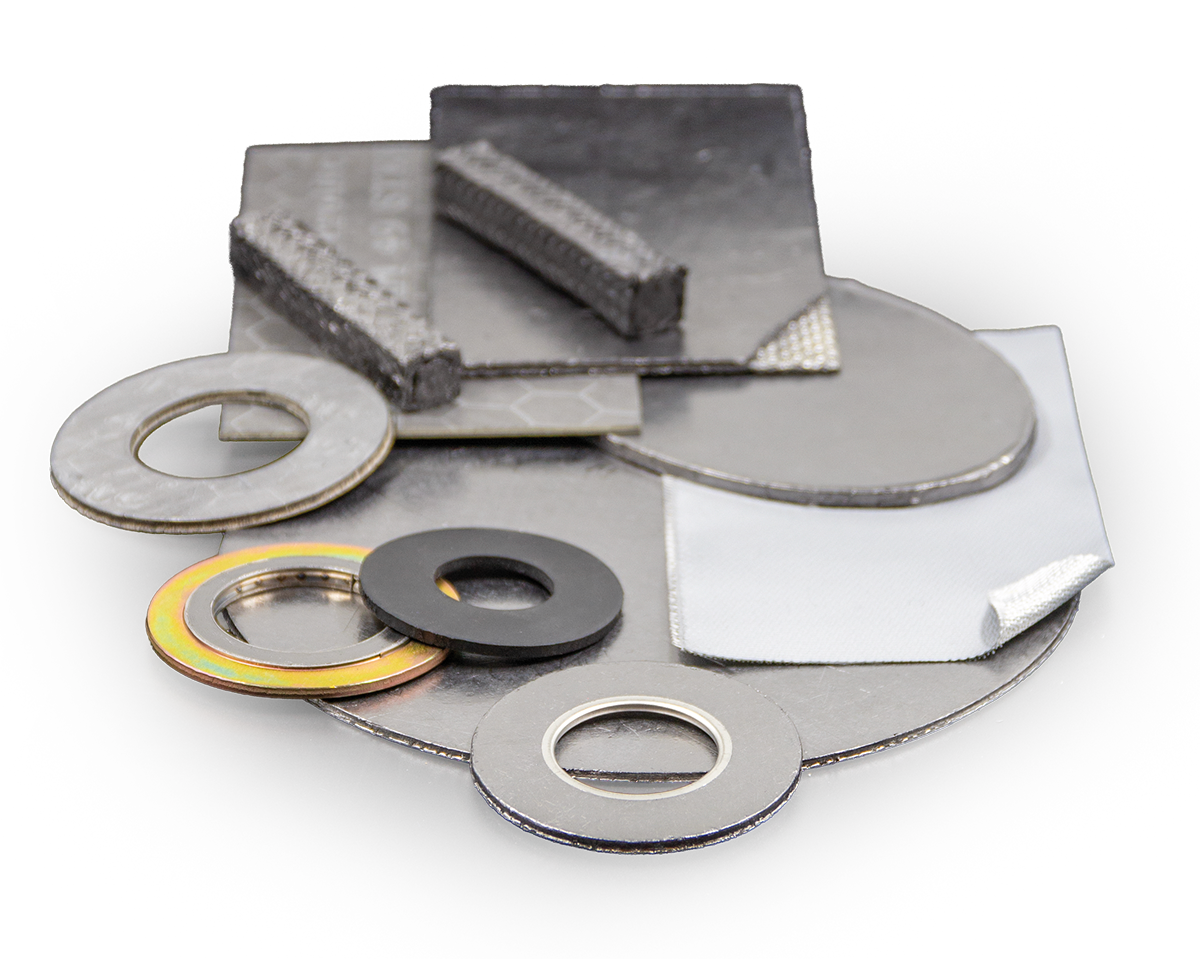
All types of gaskets (metallic, PTFE, fiber reinforced) must be safeguarded and used with the same care and attention.
Avoid carrying small gaskets in your pocket to prevent damage.
Carefully transport pre-cut gaskets. It is best to transport them within protective sleeves.

Protect Gasket Surfaces
Do not bend the gasket or damage its surface.


Bolt Features
Ensure the use of bolts compatible with the flange.
Check if the bolts are suitable for the operating temperature.
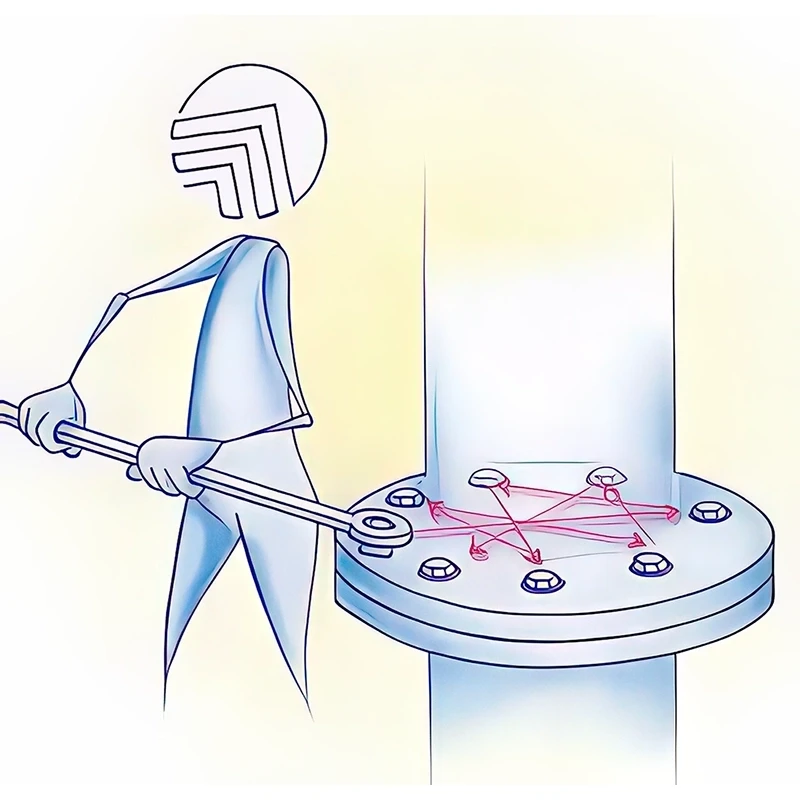
Tighten the bolts reciprocally with appropriate torque.
Ensure the bolts are not corroded as corrosion negatively impacts their function.
Never reuse old bolts.
Nut Features
Use a nut with a yield strength 20% higher than the breaking strength of the bolt.
Use standard thread bolts instead of fine thread.
Use the correct lubricant.
Washer
The washer and nut material should be of the same material as the bolt.
Use washers in the following cases:
For slotted or larger holes,
To evenly distribute load among fasteners,
To alleviate material fatigue issues by distributing the load applied by the bolt to the connection.
Tools
First, ensure you have the following tools in good condition:
A gasket suitable for your application,
A calibrated torque wrench,
Wire brush
Lubricating oil for bolts.
Cleaning Flange Surfaces
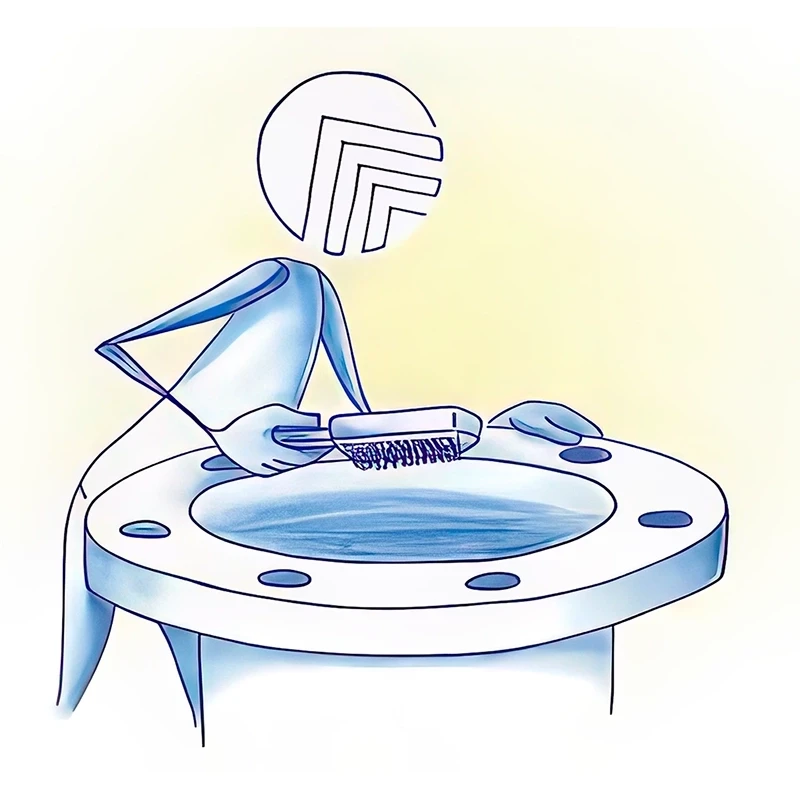
Ensure flange surfaces are clean,
Check flange and bolt surfaces; ensure they are technically appropriate and free of significant damage.
Use a brass punch to avoid damaging flange surfaces.
Flange Condition
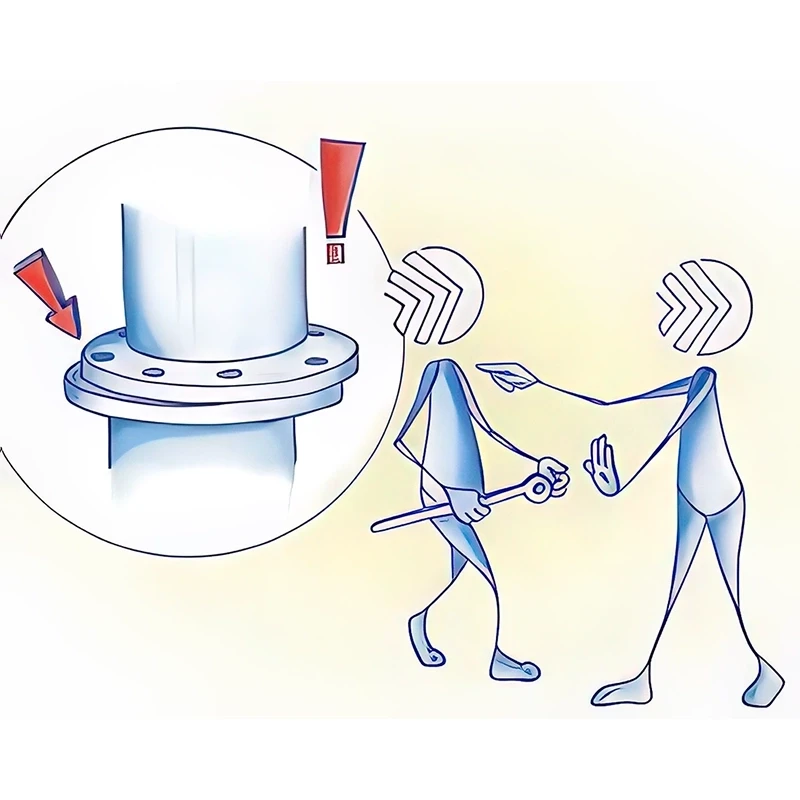
Ensure flanges are parallel and report any discrepancies.
Key Considerations for Gaskets
The gasket should be carefully placed between the two flanges.
The gasket should be centered between the flanges.
The gasket should be dry.
When flanges are brought face to face, the gasket should not be crushed or damaged in any other way.

Lubricating Bolts
Lubricate bolt and nut threads and nut surfaces to reduce friction when tightening nuts.
Ensure that the lubricating oil does not contaminate gasket and flange surfaces.
The recommended lubricating oil's service temperature should be within the limits of the installation's service temperature.

Tightening Bolts
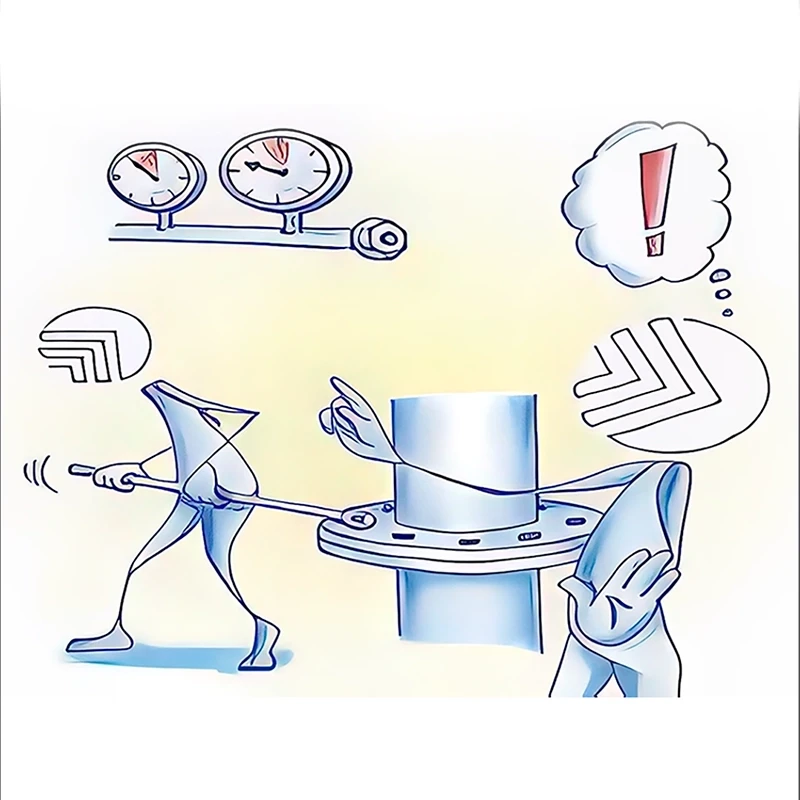
Determine suitable torque.
Perform tightening in five stages with suitable torque as follows:
Tighten the nut by hand,
Tighten to 30% of the torque,
Tighten to 60% of the torque,
Tighten to full torque.
Finally, carry out an additional check tightening in a clockwise direction.
Re-tightening
When re-tightening is deemed necessary, it should be performed at ambient temperature during or prior to the initial operation.
Never perform re-tightening at high temperatures and longer operating durations on compressed fiber-reinforced gaskets.
For safety reasons, never reuse gaskets.
Consider that the cost of a new gasket is negligible when compared to the potential damage arising from reusing an old gasket.