Glass Fiber Basic Information
Product Description
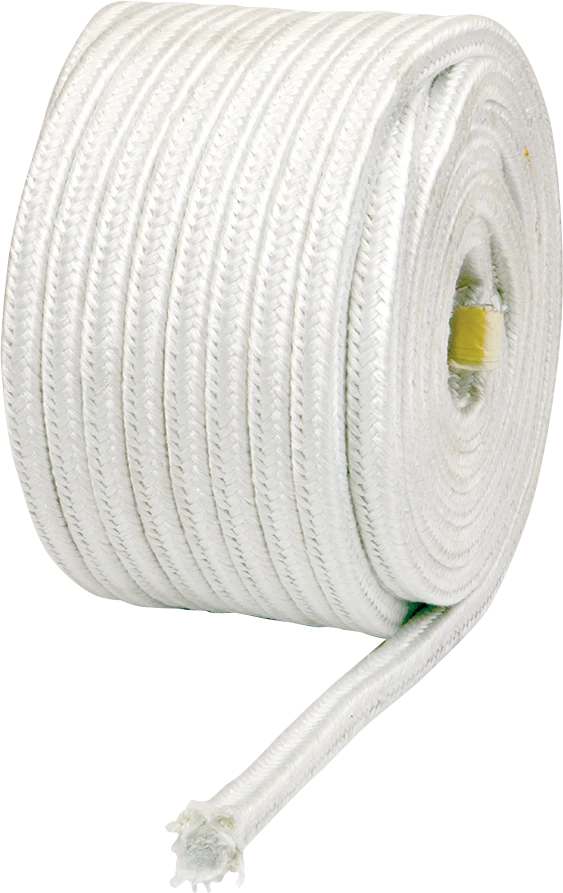
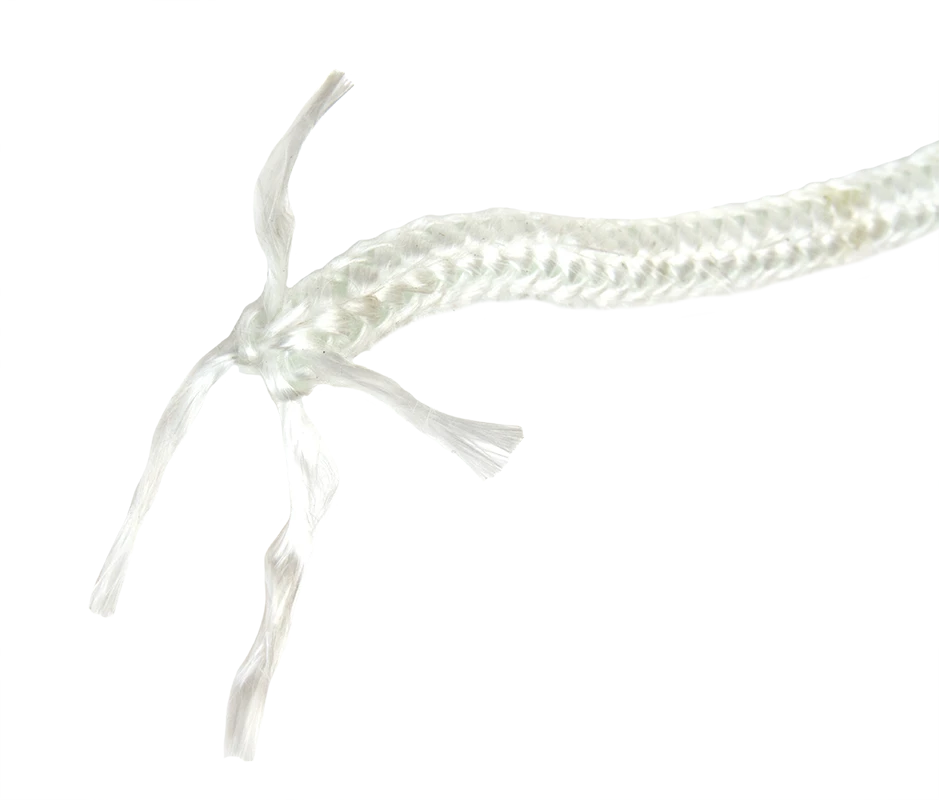
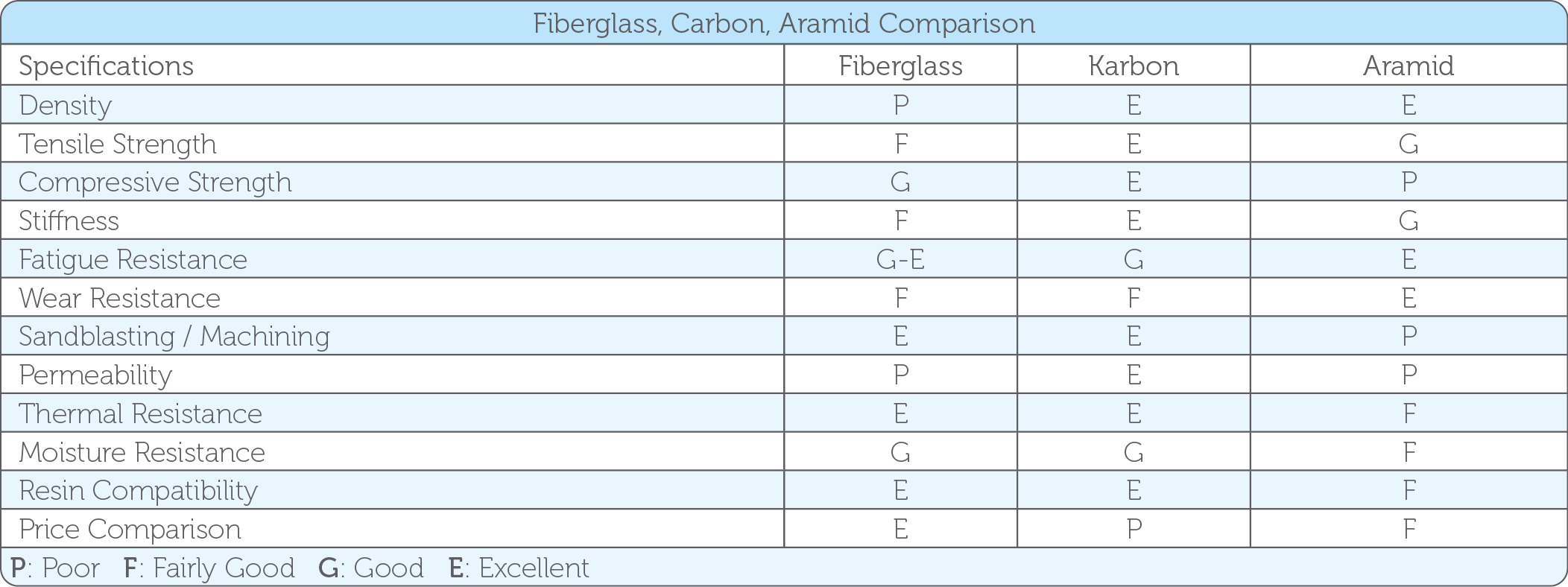
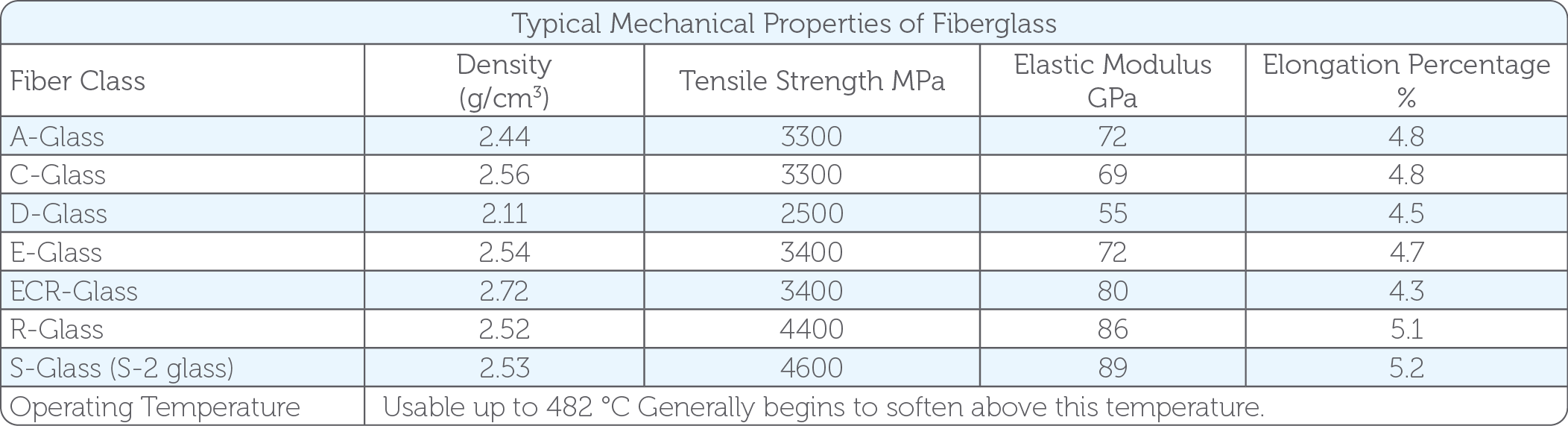
Products based on fiberglass are used in the temperature range of industrial furnaces and boilers, the iron-steel industry, power plants, cement factories, the maritime sector, and the ceramics and glass industries to provide thermal insulation. They have high tensile strength, dimensional stability, non-flammability, good thermal permeability, good chemical resistance, excellent electrical properties, and the advantage of being economical. Depending on the raw material and production method, fiberglass is divided into five different product groups. The most commonly used classes in the industry are “C-Glass (Chemical)”, “E-Glass (Electrical)” and S-Glass (Strength) types. “C-Glass” fiber withstands up to 450 °C, while “E-Glass” fiber withstands up to 600 °C. The melting point is approximately 850 °C. Fiberglass textile products can also be offered with special coatings depending on demand and usage to increase their temperature resistance.
show more...
Glass Fiber Basic Information
Product Description
Products based on fiberglass are used in the temperature range of industrial furnaces and boilers, the iron-steel industry, power plants, cement factories, the maritime sector, and the ceramics and glass industries to provide thermal insulation. They have high tensile strength, dimensional stability, non-flammability, good thermal permeability, good chemical resistance, excellent electrical properties, and the advantage of being economical. Depending on the raw material and production method, fiberglass is divided into five different product groups. The most commonly used classes in the industry are “C-Glass (Chemical)”, “E-Glass (Electrical)” and S-Glass (Strength) types. “C-Glass” fiber withstands up to 450 °C, while “E-Glass” fiber withstands up to 600 °C. The melting point is approximately 850 °C. Fiberglass textile products can also be offered with special coatings depending on demand and usage to increase their temperature resistance.
show more...
Glass Fiber Basic Information
Product Description
Products based on fiberglass are used in the temperature range of industrial furnaces and boilers, the iron-steel industry, power plants, cement factories, the maritime sector, and the ceramics and glass industries to provide thermal insulation. They have high tensile strength, dimensional stability, non-flammability, good thermal permeability, good chemical resistance, excellent electrical properties, and the advantage of being economical. Depending on the raw material and production method, fiberglass is divided into five different product groups. The most commonly used classes in the industry are “C-Glass (Chemical)”, “E-Glass (Electrical)” and S-Glass (Strength) types. “C-Glass” fiber withstands up to 450 °C, while “E-Glass” fiber withstands up to 600 °C. The melting point is approximately 850 °C. Fiberglass textile products can also be offered with special coatings depending on demand and usage to increase their temperature resistance.
show more...
PACKINGS
FABRICS
SHEETS
PACKINGS
FABRICS
SHEETS
PACKINGS
FABRICS
SHEETS